
.png?w=1368&h=240)
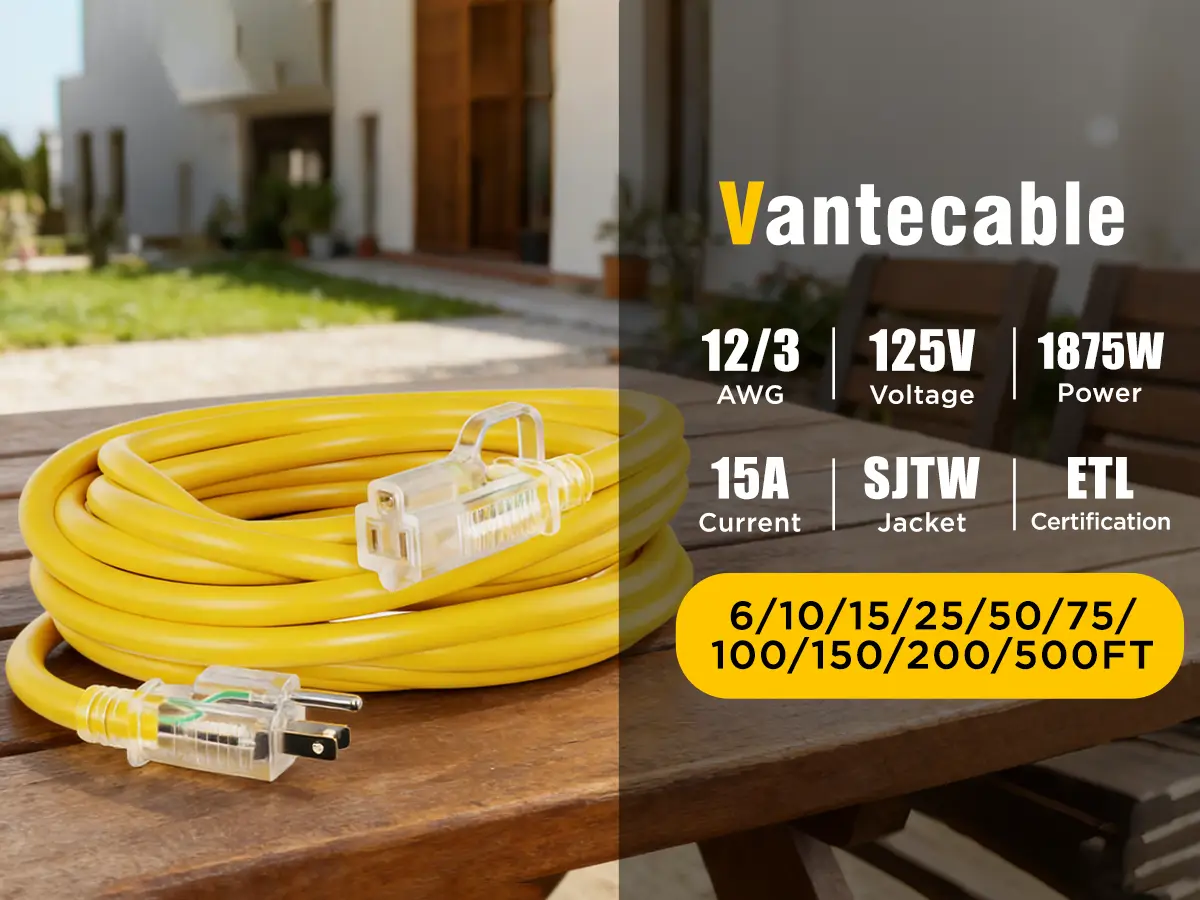
Outdoor extension cords are not just longer cables—they are purpose-built safety tools designed to deliver power reliably in environments where moisture, temperature extremes, and physical stress are unavoidable. Yet many electrical failures, damaged tools, and even fire hazards occur simply because the wrong extension cord is used outdoors.
This in-depth guide explains outdoor extension cord weather ratings, wire gauge selection, safety certifications, and real-world use cases, while highlighting the most common mistakes users make. Whether you are powering lawn equipment, outdoor lighting, jobsite tools, or emergency backup systems, understanding these fundamentals is essential for both performance and safety.
1. Why Outdoor Extension Cords Are Fundamentally Different
At first glance, indoor and outdoor extension cords may look similar. However, they are engineered for completely different operating environments.
Outdoor conditions introduce multiple hazards:
-
Rain, snow, and humidity
-
Direct sunlight and UV exposure
-
Abrasion from concrete, gravel, or soil
-
Wide temperature swings
-
Repeated bending and movement
Indoor extension cords are not designed to handle these stresses. Their insulation can crack, absorb moisture, or degrade rapidly when exposed outdoors, increasing the risk of electric shock or fire.
Indoor vs. Outdoor Extension Cords
| Feature | Indoor Extension Cord | Outdoor Extension Cord |
|---|---|---|
| Weather resistance | No | Yes |
| UV resistance | No | Yes |
| Jacket thickness | Thin | Thick, reinforced |
| Temperature tolerance | Limited | Wide range |
| Safety certification | Basic | UL / ETL outdoor rated |
This is why manufacturers and safety organizations clearly state: indoor extension cords should never be used outdoors, even for short periods.
2. Understanding Extension Cord Letter Codes and Weather Ratings
The most important information about an extension cord is printed directly on the cable jacket. These letter codes indicate voltage rating, jacket material, and environmental resistance.
Common Outdoor Extension Cord Types Explained
| Cord Type | Weather Rated | Oil Resistant | Typical Use Case |
|---|---|---|---|
| SJTW | Yes | No | Lawn tools, outdoor lighting |
| SJEOW | Yes | Yes | Garages, workshops |
| SOOW | Yes | Yes | Job sites, heavy-duty tools |
SJTW extension cords are the most common outdoor-rated cords for residential use. The “W” designation confirms weather resistance, including moisture and sunlight exposure.
SJEOW cords add oil resistance, making them suitable for garages or environments where chemicals may be present.
SOOW cords are industrial-grade, offering maximum durability for harsh outdoor or jobsite conditions.
👉 Important: If an extension cord does not include a “W” designation, it is not rated for outdoor use, regardless of how thick it appears.
3. Weather-Resistant vs. Waterproof: A Common Misunderstanding
Many users assume outdoor extension cords are waterproof. This is incorrect.
Weather-resistant means the jacket can withstand:
-
Rain splash
-
Humidity
-
Sunlight
-
Temperature changes
It does not mean:
-
Submersible
-
Safe to operate in standing water
-
Immune to water ingress at plug connections
Plug and receptacle ends are always the most vulnerable points. Even a heavy-duty outdoor extension cord can become unsafe if water enters the connection.
Best practice: Keep all connections elevated and shielded from direct exposure.
4. Temperature Ratings and Cold-Weather Performance
Outdoor extension cords are frequently used in cold weather, especially during winter storms or power outages.
Low temperatures can cause:
-
Jacket stiffening
-
Cracking in low-quality PVC
-
Reduced flexibility, increasing stress on conductors
High-quality outdoor extension cords maintain flexibility even in freezing conditions, reducing the risk of insulation failure. Always check the minimum temperature rating printed on the cable jacket if the cord will be used in cold climates.
5. Safety Certifications: Why UL and ETL Matter
Because outdoor extension cords operate in higher-risk environments, third-party safety testing is essential.
Key Certifications to Look For
-
UL Listed – Tested for electrical safety, fire resistance, and durability
-
ETL Listed – Equivalent compliance with U.S. safety standards
-
CSA – Common for North American and Canadian markets
Uncertified cords often use thinner conductors or low-grade insulation, increasing the risk of overheating or electrical failure.
6. Wire Gauge Explained: Choosing the Right Thickness
Wire gauge (AWG) determines how much electrical current a cord can safely carry. Outdoors, gauge selection is even more critical due to longer runs and higher power demands.
Gauge, Length, and Load Relationship
| Gauge (AWG) | Typical Max Length | Suitable For |
|---|---|---|
| 16 AWG | ≤ 25 ft | Light-duty outdoor lighting |
| 14 AWG | 25–50 ft | Lawn equipment |
| 12 AWG | 50–100 ft | Power tools |
| 10 AWG | 100 ft+ | Generators, RVs |
Using an undersized gauge increases resistance, leading to heat buildup and voltage drop. For outdoor use, it is always safer to choose a shorter cord or thicker gauge.
7. Voltage Drop: The Hidden Performance Issue
Voltage drop occurs when resistance reduces the voltage delivered to the equipment. Long outdoor extension cords are particularly susceptible.
Why Voltage Drop Is Dangerous
-
Motors run inefficiently
-
Tools overheat
-
Equipment lifespan shortens
-
Cord temperature increases
Power tools and generators are especially sensitive. A thicker gauge significantly reduces voltage drop and improves overall performance.
8. Common Outdoor Extension Cord Mistakes
Many outdoor electrical accidents result from avoidable mistakes.
Most Common Errors
-
Using indoor extension cords outdoors
-
Overloading light-duty cords
-
Leaving cords coiled during use
-
Running cords through doors or windows
-
Leaving extension cords outdoors permanently
Extension cords are designed for temporary use. Permanent outdoor wiring requires proper conduit and approved electrical installation methods.
9. Outdoor Extension Cords for Specific Use Cases
Different applications require different cord specifications.
Quick Selection Guide by Application
| Application | Recommended Gauge | Cord Type |
|---|---|---|
| Lawn mower | 14 AWG | SJTW |
| Power tools | 12 AWG | SJTW / SJEOW |
| Outdoor lighting | 16 AWG | SJTW |
| Generator | 10 AWG | Heavy-duty |
For emergency power or generator use, always select generator cords for emergency power. Never substitute standard household extension cords.
10. Best Practices for Safe Outdoor Use
-
Use GFCI-protected outlets
-
Keep plug connections off the ground
-
Fully uncoil cords during operation
-
Inspect jackets before every use
-
Store cords indoors when not in use
These practices significantly reduce the risk of electrical hazards and extend cord lifespan.
11. How to Choose the Right Outdoor Extension Cord
Before purchasing, consider:
-
Power requirements
-
Distance
-
Environmental exposure
-
Frequency of use
Matching load, length, and environment ensures safe and reliable outdoor power delivery.
12. Final Thoughts: Outdoor Extension Cords Are Safety Equipment
Outdoor extension cords are engineered safety components, not generic accessories. Understanding weather ratings, safety certifications, wire gauge, and proper usage dramatically reduces risk while improving performance.
Choosing the right outdoor extension cord protects your tools, your property, and the people using them.