

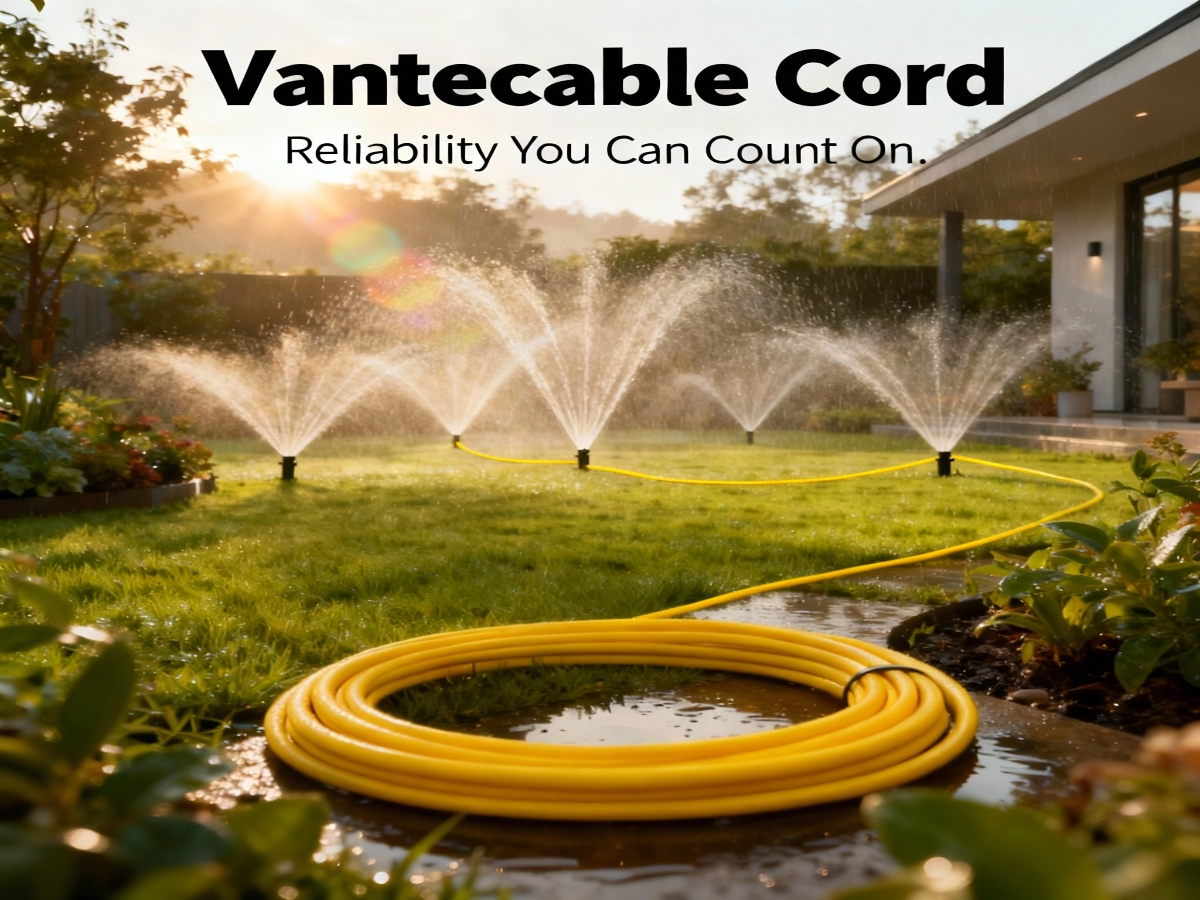
For outdoor activities such as camping, picnics, gardening, or open-air parties, a safe and reliable power supply is essential. A high-quality outdoor extension cord not only provides convenience but also ensures your electrical safety. This article details the various types of Vantecable outdoor extension cords to help you find the perfect one for your needs.
Why Do You Need a Dedicated Outdoor Extension Cord?
Outdoor extension cords are not simple substitutes for indoor ones. They are specifically engineered for complex outdoor conditions, featuring waterproof, UV-resistant, wear-resistant, and temperature-tolerant properties. This ensures safe operation in damp, dusty, or variable temperature environments. Using an unsuitable cord can lead to short circuits, electric shock, or even fire hazards.
Complete Analysis of Main Vantecable Product Types
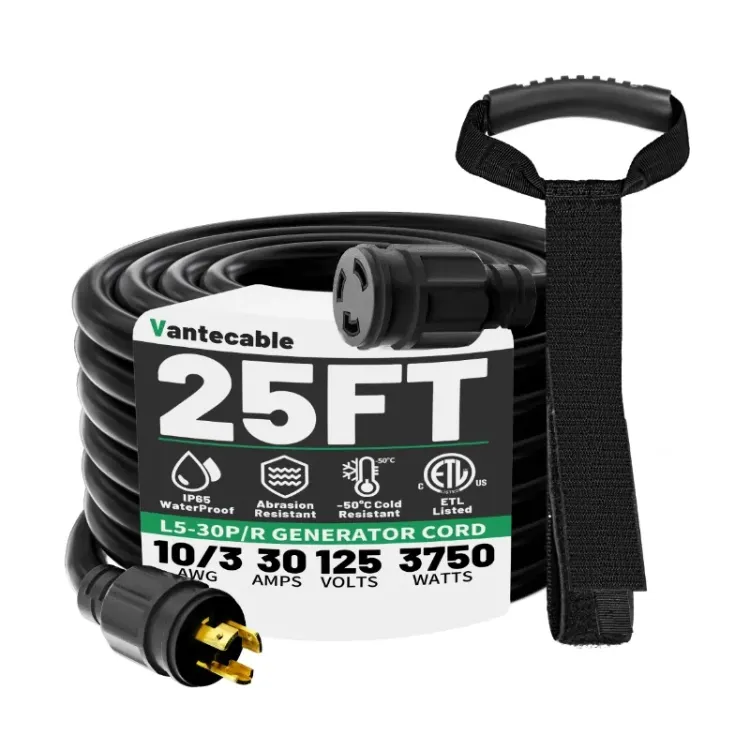
1. Outdoor Generator Cords
-
Features: IP65 waterproof rating, excellent durability for various weather conditions including sun, rain, and cold (down to -40°C). Heat-resistant, flame-retardant, corrosion-resistant, and abrasion-resistant. ETL certified.
-
Use Cases: Powering homes, RVs, and other outdoor camping equipment.
-
Key Advantage: Twist-lock plugs prevent disconnection due to external force in harsh weather.
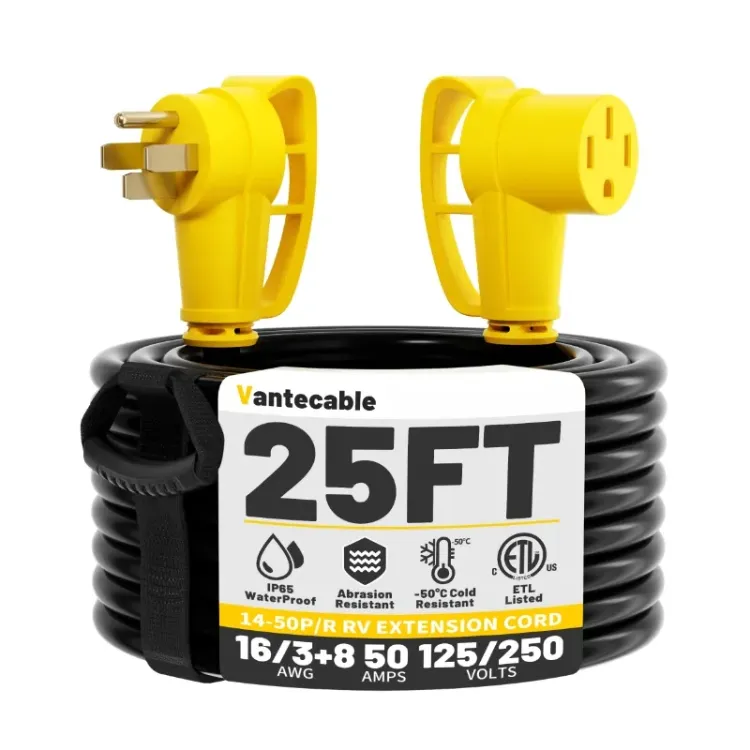
2. RV Extension Cords
-
Features: Durable and abrasion-resistant cord jacket. IP65 waterproof rating. Resistant to wear, corrosion, heat, and flame. Made with pure copper conductors.
-
Use Cases: Level 2 EV charging, powering RVs during outdoor camping.
-
Key Advantage: Insulated handles provide a larger grip for easy and safe plug insertion/removal without damaging the RV inlet. The flexible yet robust material remains pliable even at -40°C, resisting cracks when bent.
3. Dryer Cords

-
Features: Compatible with various dryer models. ETL certified. The cord jacket is heat-resistant, waterproof, flame-retardant, and corrosion-resistant, preventing overheating. Pure copper wires undergo rigorous testing for continuity and conductivity, ensuring optimal performance and reliability.
-
Use Cases: Connecting dryers to power outlets.
-
Key Advantage: A strain relief bracket at the dryer end supports the cord's weight, enhancing durability and reducing wear over time. The right-angle plug fits snugly against walls, saving space in tight areas.
4. Electrical Wire

-
Features: Insulation resistant to abrasion, battery acid, diesel, engine coolant, engine oil, ethanol, extreme temperatures, flame, gasoline, power steering fluid, transmission fluid, and water.
-
Use Cases: Wide application in industrial settings, as well as outdoor and marine applications, including power generation, mining, oil & gas exploration, and construction equipment.
-
Key Advantage: Constructed with extremely flexible oxygen-free copper strand wires. Durable, abrasion-resistant outer CPE insulation jacket. Internal conductors are insulated with color-coded, highly flexible FPDM material.
5. Solar-Specific Extension Cords

-
Features: Optimized for solar systems with enhanced UV resistance.
-
Use Cases: Connecting solar panels to energy storage devices in outdoor photovoltaic systems.
-
Key Advantage: Withstands temperatures from -40°C to 90°C. Offers superior ultraviolet (UV) resistance.
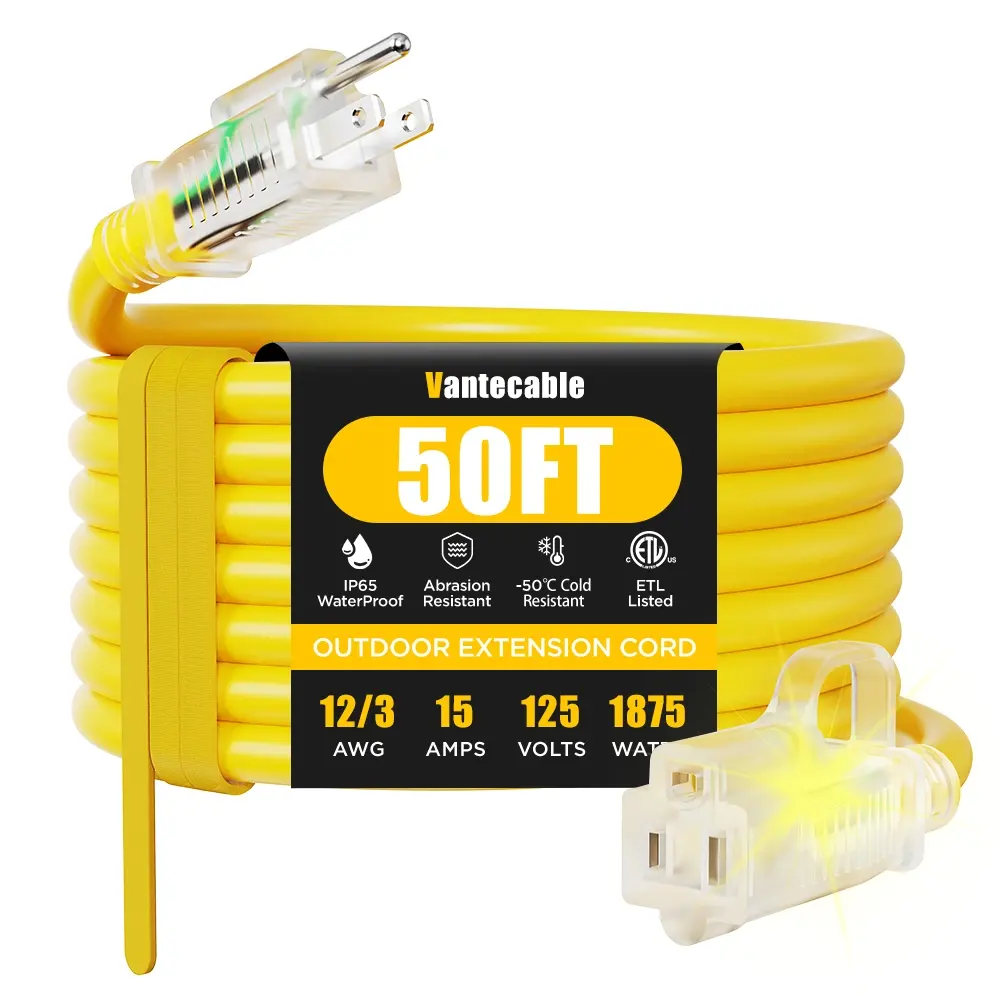
6. Heavy Duty Outdoor Extension Cord
-
Features: Waterproof rubber housing with sealed connections.
-
Use Cases: Patio lighting, powering garden tools, temporary outdoor events.
-
Recommended Specs: 16AWG, 3-prong grounded, lengths from 15-50 feet.
The Complete Guide to Choosing an Outdoor Extension Cord
-
Check Safety Certifications: Ensure the product has passed relevant electrical safety certifications (like ETL) and is clearly marked for outdoor use.
-
Balance Wire Gauge (AWG) and Length: For short distances (≤50 ft), 16AWG is sufficient for most needs. For medium distances (50-100 ft), choose 14AWG to reduce power loss. For long distances (≥100 ft), select 12AWG or a thicker gauge.
-
Understand IP Ratings: In the IP code, the first digit indicates dust protection (0-6), and the second indicates water resistance (0-8). For outdoor use, choose a cord with at least an IP44 rating.
-
Plug and Socket Design: A three-prong grounded plug is essential for safety. Sockets with protective covers effectively prevent moisture and debris entry. Indicator lights showing power status are very practical.
For a more detailed buying guide, read "Power Outdoors! The Ultimate Outdoor Extension Cord Guide."
Correct Usage of Outdoor Extension Cords
-
Installation Notes: ① Fully unwind the cord before use to prevent overheating from coiling. ② Keep away from walkways to avoid tripping hazards. ③ Use a dedicated outdoor junction box to protect connection points from water and short-circuit risks. ④ Avoid connecting multiple extension cords in series.
-
Seasonal Maintenance: Inspect the cable for damage or wear before use. Clean plug contacts regularly. Ensure the cord is completely dry before storage after winter use. Store in an environment avoiding extreme temperatures.
Unique Advantages of Vantecable Outdoor Extension Cords
Our outdoor extension cords use industrial-grade rubber jackets, which are more wear-resistant and flexible than standard PVC materials. All products pass stringent waterproof tests, ensuring safe use even in the rain. We also offer a three-year warranty for your peace of mind.

Frequently Asked Questions (FAQs)
Q: Can I use an outdoor extension cord indoors?
A: Yes. Outdoor cords meet higher protection standards than indoor requirements. However, they are typically more expensive, making them less cost-effective for purely indoor use.
Q: How can I tell if my extension cord is aged and needs replacement?
A: Check the cable for hardening, cracking, or discoloration. See if the plug is loose. Note any unusual heating during use. If you observe any of these signs, it's time to replace the cord.
Q: Can I temporarily use an indoor extension cord outdoors?
A: This is strongly discouraged. Indoor cords lack waterproofing, UV resistance, and other capabilities needed for complex outdoor environments, posing serious safety hazards.
Q: What does the AWG number on the cord mean? Is a smaller number better?
A: A smaller AWG (American Wire Gauge) number indicates a thicker wire diameter, which can carry more current. However, it also means higher cost and weight.
Conclusion
Choosing the right outdoor extension cord is the most important step for enjoying outdoor life safely. From simple garden lighting to powering complex outdoor activities, Vantecable's full range of products can meet all your needs.
Click to view our complete Outdoor Extension Cord Catalog and find the perfect power solution for your outdoor adventures.