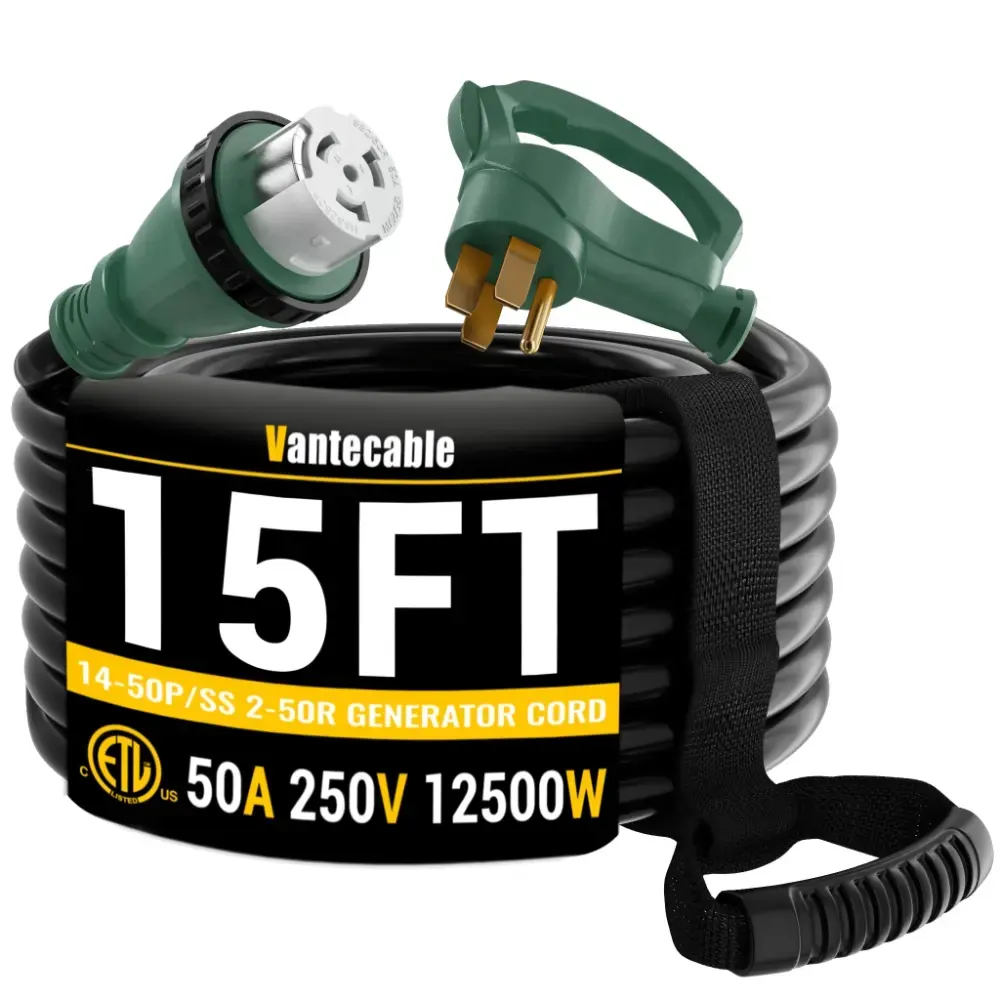
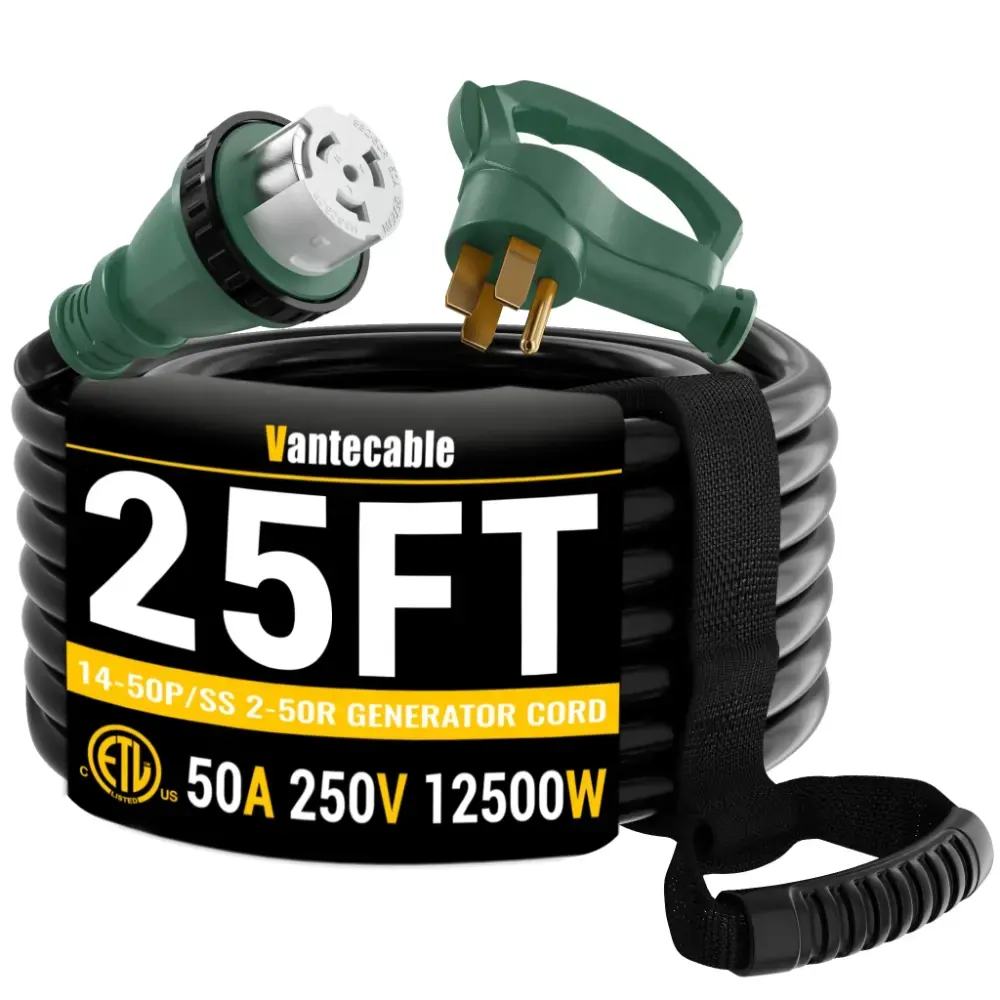
What Is a Generator Extension Cord?
A generator extension cord is a heavy-duty power cable specifically designed to deliver electricity from a portable or standby generator to appliances, tools, or electrical panels. Unlike standard household extension cords, generator extension cords are built to handle higher amperage, longer run times, and outdoor operating conditions.
These cords typically use thicker copper conductors, reinforced insulation, and weather-resistant jackets to ensure safe and stable power transmission. Using a properly rated generator extension cord helps reduce voltage drop, prevents overheating, and protects both the generator and connected equipment.
Common Generator Applications
Generator extension cords are commonly used in a wide range of residential, commercial, and outdoor scenarios, including:
Home backup power: powering refrigerators, freezers, sump pumps, heaters, and essential lighting during outages
Construction and job sites: supplying power to saws, compressors, welders, and other high-draw tools
RV and mobile setups: connecting generators to RVs, trailers, or portable power systems
Outdoor and emergency use: temporary power for events, disaster response, or remote locations
Each application places different electrical demands on the cord, making correct gauge and length selection critical for safety and performance.
Choosing the Right Gauge for Generator Use
Select a generator extension cord based on your generator’s amperage, voltage, and total wattage. Vantecable cords are engineered for small, medium, and large generator applications.
Small Portable Generators (≤1,875W)
125V, 15A output
Use 12 AWG or 10 AWG cords
Suitable for lights, small appliances, chargers, short runs
10 AWG preferred for longer runs or added durability
Medium Generators (≤7,500W)
Large Generators (≤12,500W)
Quick Selection Rule: Match your generator’s amps and volts to a cord with equal or higher ratings to ensure safe and stable power delivery.
Safety Tips for Using Generator Extension Cords
To ensure safe operation, follow these best practices when using generator extension cords:
Always match or exceed the generator’s rated amperage and voltage
Use outdoor-rated cords for exterior or job site applications
Fully uncoil extension cords during use to prevent overheating
Keep cords away from standing water, sharp edges, and excessive heat
Do not connect multiple extension cords together for high-current use
Inspect cords regularly for damage, cracks, or loose connectors
Generators should always be operated outdoors and away from buildings to prevent carbon monoxide hazards. See our generator extension cord safety guide for complete recommendations.
Why Choose Vantecable Generator Extension Cords
Vantecable generator extension cords are engineered with high-purity copper conductors to deliver efficient current flow and minimize electrical resistance. The heavy-duty, weather-resistant PVC jacket provides protection against moisture, abrasion, and mechanical stress, making the cords suitable for demanding indoor and outdoor environments.
All Vantecable generator extension cords are ETL certified and tested under load to meet strict safety and performance standards. With clearly defined electrical ratings and multiple configuration options, Vantecable makes generator cord selection straightforward and reliable. Explore our full collection of generator extension cords, including cords designed for RV and mobile setups to safely power your trailer or recreational vehicle.
Generator Extension Cord FAQs
Q: Can I use a regular household extension cord with a generator?
A: Household extension cords are not designed for sustained generator loads and may overheat or cause voltage drop. Generator-rated extension cords are recommended for safe operation.
Q: Does cord length affect generator performance?
A: Yes. Longer cords increase electrical resistance, which can reduce voltage at the equipment end. Using a thicker gauge helps minimize this effect.
Q: Is a thicker wire gauge safer?
A: A lower gauge number (thicker wire) reduces resistance and heat, especially for higher amperage or longer cord runs.
Q: Can generator extension cords be used indoors?
A: Extension cords may be used indoors, but generators must always be operated outdoors to prevent carbon monoxide exposure.


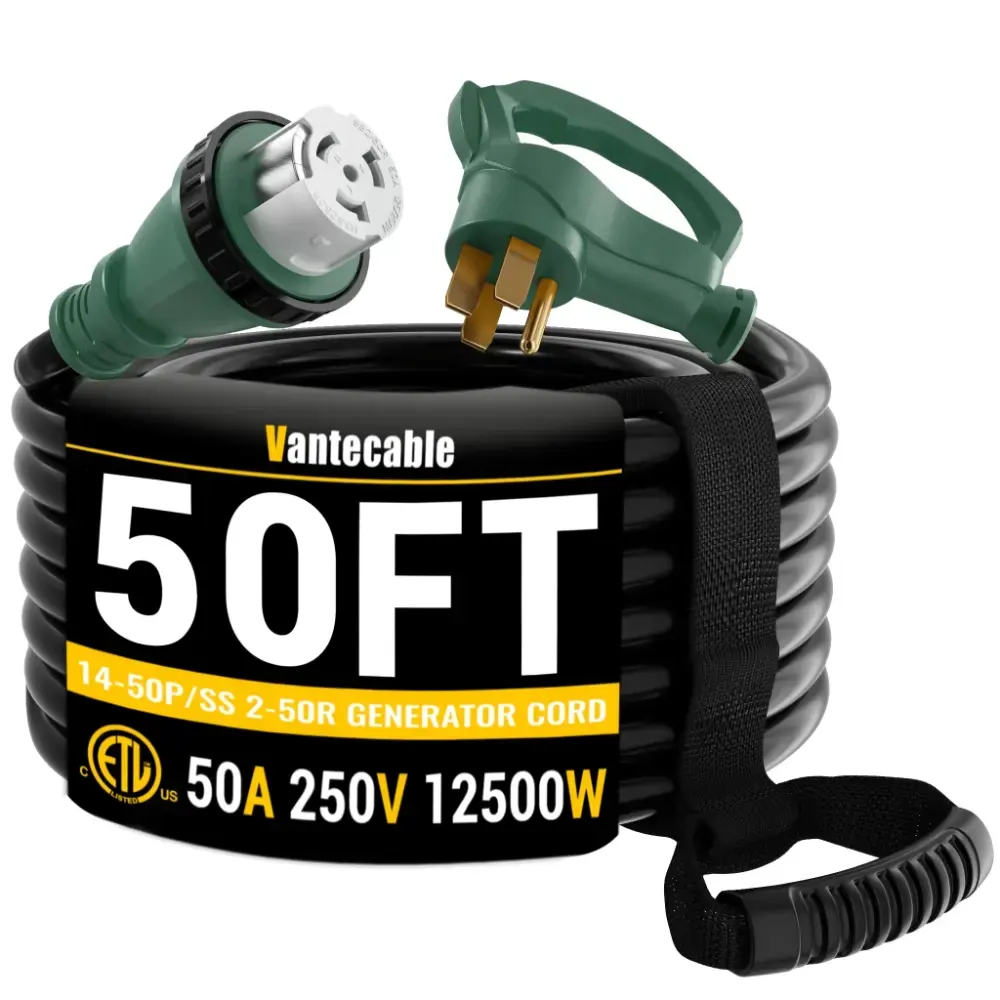
![[10ft to 100ft]50 Amp 4 Prong, Generator Cord, 50 Amp RV Extension Cord with Twist Lock, NEMA 14-50P to SS2-50R Heavy Duty STW Wire](https://img-va.myshopline.com/image/store/1754964108957/10-WH-1000x1000px-19.webp?w=1000&h=1000)
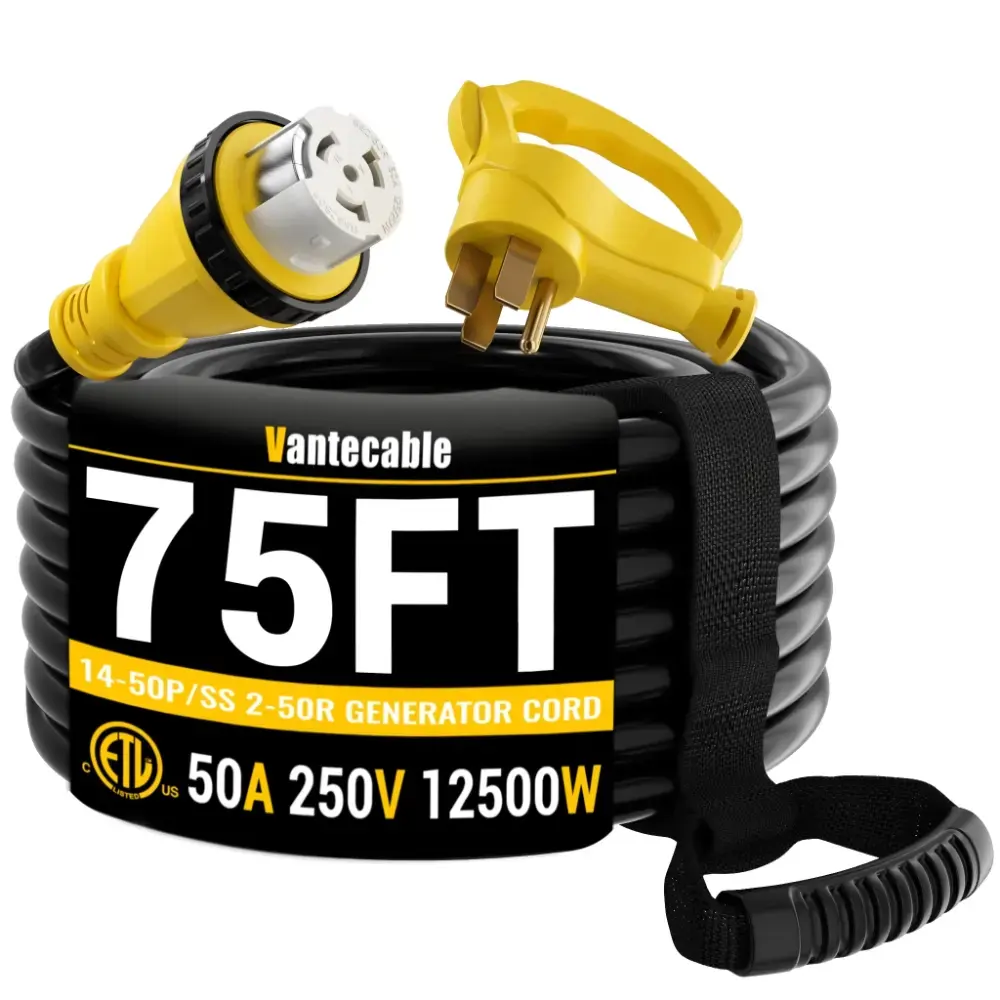
![[10ft to 75ft] 6/3+8/1 Gauge 50 Amp Generator & RV Extension Cord, NEMA 14-50P to SS2-50 Twist Lock Heavy Duty Power Cable,black,Waterproof,ETL,flexible](https://img-va.myshopline.com/image/store/1754964108957/10-WH-1000x1000px-20.webp?w=1000&h=1000)
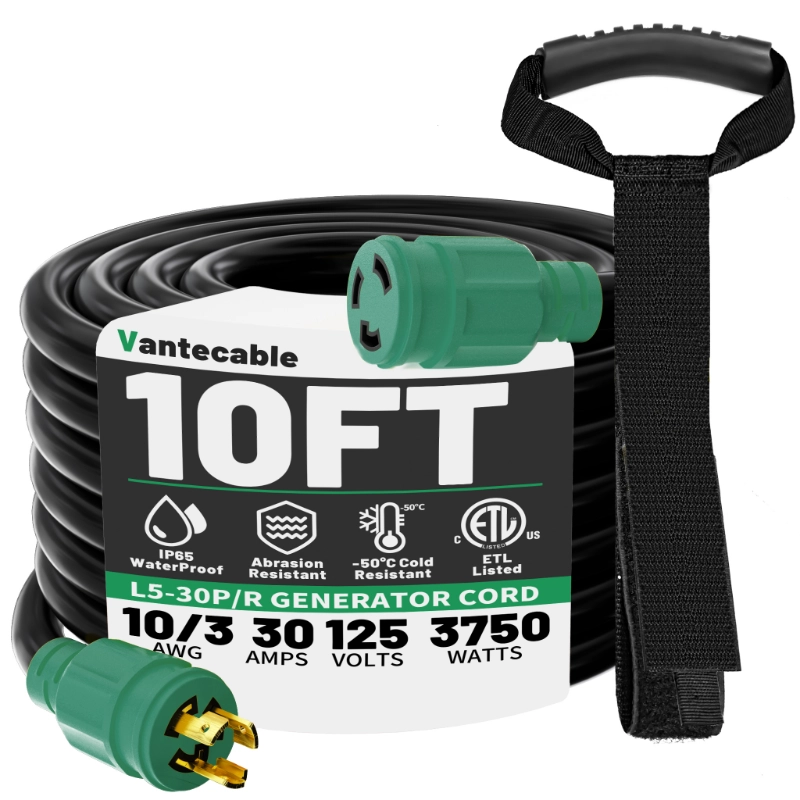
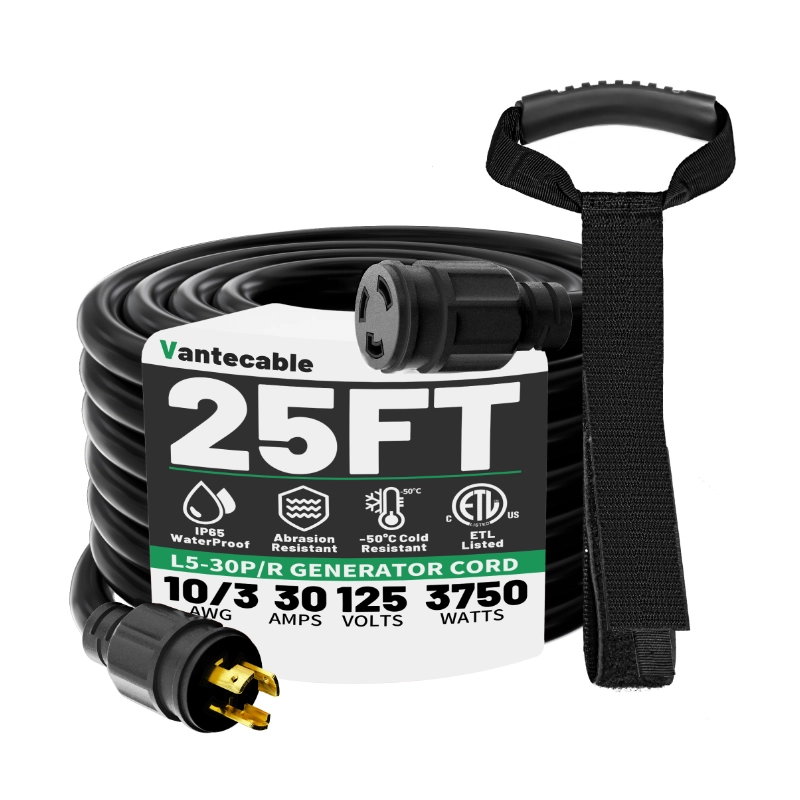
![[10ft to 100ft] 10 Gauge 30 Amp Generator Extension Cord 4 Prong, NEMA L14-30P/L14-30R,yellow,,Waterproof,ETL,flexible](https://img-va.myshopline.com/image/store/1754964108957/10-WH-800x800px.webp?w=800&h=800)
![[10ft to100ft] 10 Gauge 30 Amp Generator Extension Cord 4 Prong, NEMA L14-30P/L14-30R,green/black,Waterproof,ETL,flexible](https://img-va.myshopline.com/image/store/1754964108957/1-10-WH-1000x1000px-0.webp?w=1000&h=1000)
![[15ft to 75ft] 10AWG 30-Amp Generator Extension Cord 4-Prong 125/250V 7500W,yellow,,Waterproof,ETL,flexible](https://img-va.myshopline.com/image/store/1754964108957/15-WH-1000x1000px.webp?w=1000&h=1000)
![[10ft to 100ft] 10/4 AWG 30 Amp Generator Extension Cord,black,Waterproof,ETL,flexible](https://img-va.myshopline.com/image/store/1754964108957/10-WH-1000x1000px.webp?w=1000&h=1000)
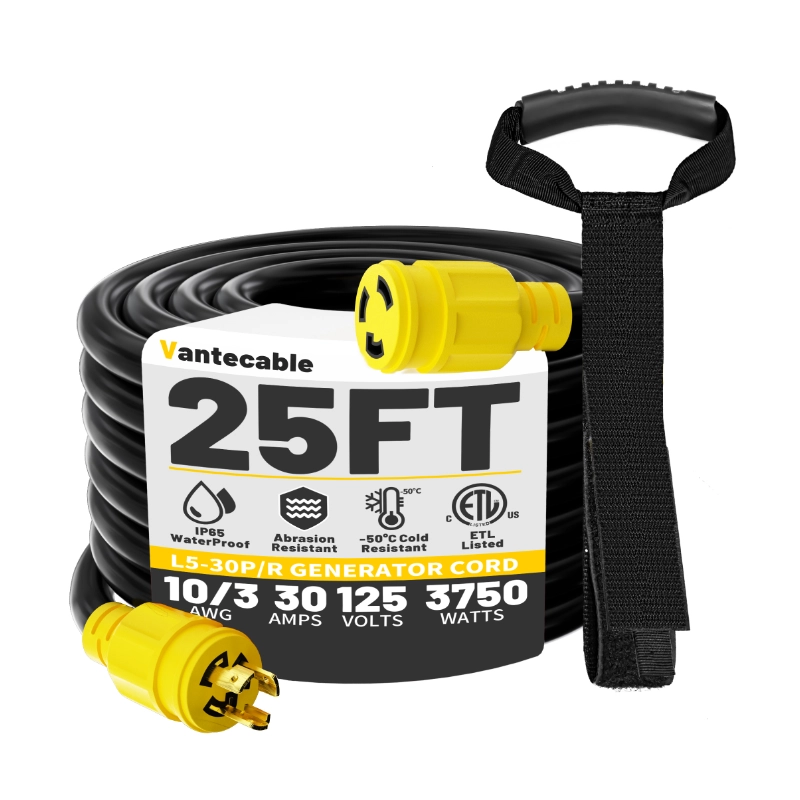
![[15ft to 25ft] 10/3 Gauge 30 Amp Generator Cord, Heavy Duty L5-30P to L5-30R Locking Power Cable](https://img-va.myshopline.com/image/store/1754964108957/1-15-3.webp?w=800&h=800)